
Guest blog from Emma Bracegirdle, Founder – The Saltways
Founder of The Saltways – Creating ethical, effective and authentic video content with the third sector.
A charity professional with over 15 years of experience in the sector, I’ve worked with organisations of all sizes to develop authentic and impactful content. Through The Saltways, which I founded in 2021, I help charities create powerful stories through film and animation, always prioritising ethical storytelling and co-creation approaches.
What stories are told – and how they are told – matters deeply to me. At The Saltways, I draw on my extensive sector experience to help charities maximize their impact through effective content. I work closely with organisations to develop authentic narratives that respect the dignity of those involved while driving meaningful engagement and results.
My work focuses on empowering charities to tell their stories in ways that honour their values and mission. Through strategic thinking and creative collaboration, I help organisations make the most of their budgets while creating content that genuinely resonates with their audiences. My foundation in law (BA Hons, LLB) combined with years of hands-on charity sector experience gives me a unique perspective on ethical storytelling and effective communication.
Plan B approaches when nobody feels able to be filmed
Sometimes it happens partway through a project. Someone agrees to be filmed, and then a few days before the shoot, they change their mind.
Other times you know from the very start that named faces will never be an option for your organisation. Charities working with survivors of domestic abuse, people seeking asylum, or anyone whose safety depends on not being identified cannot simply film them the way they would film a delighted volunteer.
None of this means the story has to go untold. It means you need a Plan B, and there are several good ones.
Look closer to home first
Before assuming you need a workaround at all, ask whether someone else within your organisation could carry the story. Volunteers, staff members, people who have moved through your service and out the other side with more distance from the situation. Their perspective on the impact of your work is often just as valid, and they come without the same risks.
Volunteer stories can be just as emotive as a service users. When working with the wonderful charity Look Good Feel Better, we focused on two volunteers to talk about the impact of the charity through their experiences.
Protect identity, not the story
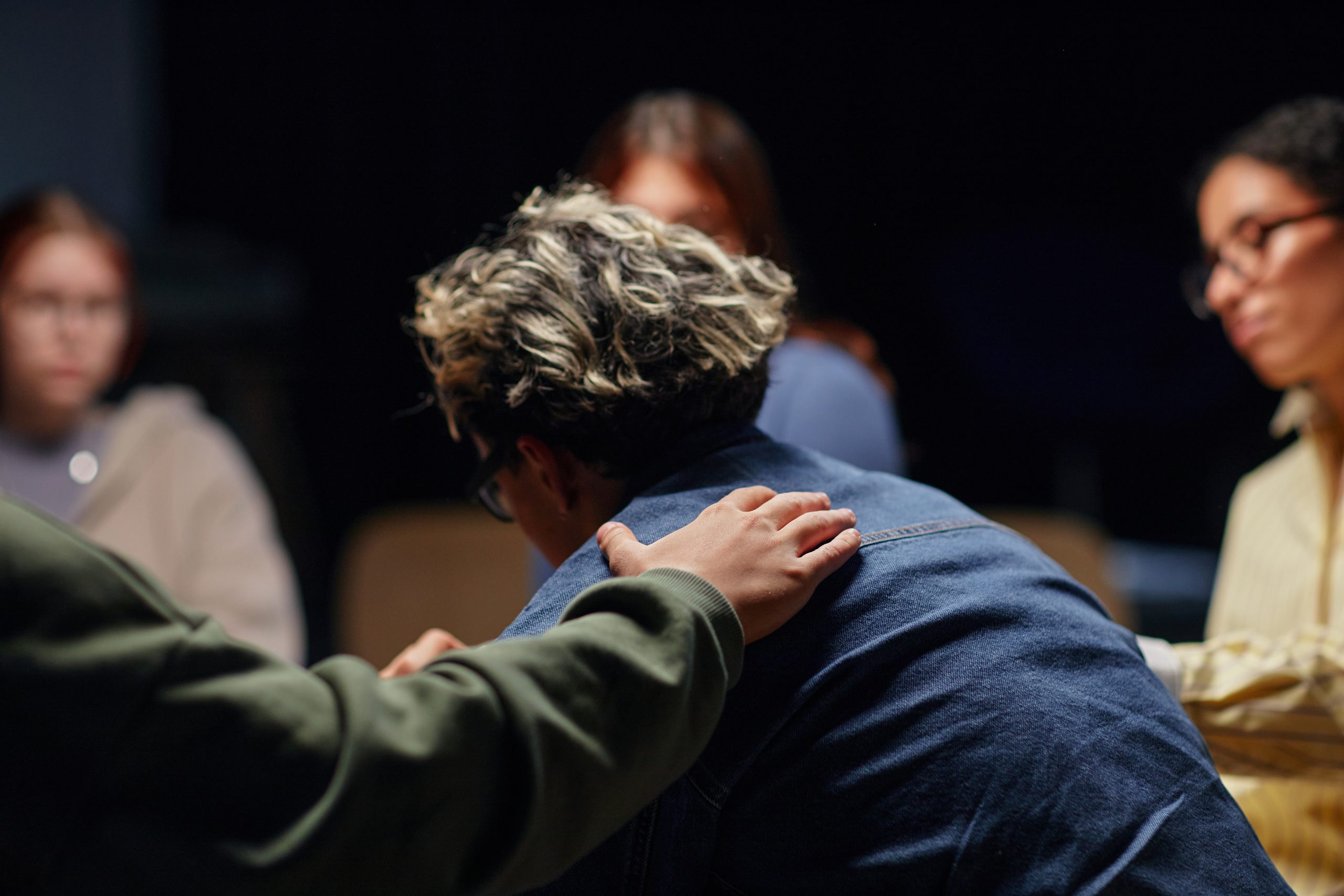
When the story should come from the person it belongs to, filming techniques can do a huge amount of work. Extreme close ups, hands rather than faces, shooting from behind or in silhouette. None of this needs to feel like a compromise if the contributor is the one steering it.
The key is that they hold the control, not you. That conversation about what they are comfortable sharing needs to happen before the shoot, so nobody is making decisions on the day under pressure. It needs to happen during the shoot too, with the contributor able to look back at footage and say what stays and what does not. And it needs to happen afterwards, once they have seen the edit and had time to sit with it. This is exactly the approach we took with The Bike Project, where a contributor’s need for anonymity shaped the entire visual language of the film rather than sitting as an afterthought.
Bring in an actor, properly
Sometimes the story needs a face and voice that simply cannot be the contributor’s own. This is where working with an actor can be the right call, but it only works if the real storyteller stays at the centre of the process. Involve them in shaping the script so the words are theirs. Ask if they want to record the voiceover themselves, even while someone else appears on screen. Bring them into casting so they have a say in who is representing their experience.
This was the approach on our project with PACT. The contributor at the heart of that film chose to remain anonymous, and rather than treat that as a limitation to work around, we built the entire creative approach on it, casting a child actor to carry the story. The result felt intentional rather than like a compromise, because it was designed that way from the start.
Co-create an animation
Animation removes the identity question altogether while still keeping the storyteller fully in charge of their own story. This was our approach with Staying Put, a domestic abuse and sexual violence charity in Bradford. A woman wanted her story told, but it needed to be completely anonymous and handled with real cultural sensitivity. We worked with her directly to shape the story, explored visual styles together, and storyboarded the film as a genuine collaboration. The result, Grow Your Wings, has gone on to win at the Charity Film Awards, and is now being used to reach other women who might recognise themselves in it.
Tell your supporters the truth
It is worth saying plainly to your audience why a face is missing or a voice does not match a name. Charities often underestimate how much their supporters understand and respect this kind of honesty. A short line explaining that someone’s identity has been protected out of care for them tends to build trust rather than erode it.
If you do use AI, do it with care
There will be moments where AI generated imagery is the right tool. If you go down that route, do it with full awareness of the ethical and reputational questions involved. We have written guidelines on exactly this, which you can find here
None of these approaches are shortcuts. Each one takes more time, more conversation, and more care than filming a named face. But that is precisely why they work. A story told with this much thought behind it earns an audience’s trust, and so does a charity willing to put in the effort.
Tune in to Emma Bracegirdle’s session at The Art Of Fundraising Conference, happening on Thursday 19th November 2026. Learn more here
This post was written by a guest contributor. The views expressed are the author’s own and don’t necessarily reflect the positions of Fundraising Everywhere. Content from guest authors may reflect different approaches, experiences, or perspectives to those covered in other events and training.