
Guest blog by Fia Ewings at Manifesto
A new generation are redefining what generosity looks like. Fia Ewings explores how charities can close the Gen Z engagement gap through transparency, digital-first experiences, and authentic relationships that turn values into action.
The UK charity sector is undergoing a profound transformation. This is due to rising costs, increased demand for their services, and overreliance on a shrinking pool of traditional donors. Meanwhile a new, highly motivated generation is redefining what generosity looks like…but the sector isn’t quite keeping up.
Being Gen Z myself, I see this gap and opportunity from both sides. Generation Z (born 1997–2012), is more socially conscious, and digitally fluent than their predecessors. This generation holds the key to driving donation growth, often giving significant amounts, when they choose to engage. As someone of this generation, I recognise that my attention is rarely sustained, but when I feel strongly about a cause I give large amounts.
Why is this important? Many charities rely on older generations for a massive proportion of engagement and giving. According to CAF, Baby Boomers and Gen X represent around 65% of charity donors. Because of this, charities design their donation journeys around these users. While this strategy is understandable, it doesn’t account for the generational shift in progress and will create a “legacy trap.” If unprepared, charities risk missing out on engaging their next generation of supporters.
The latest data shows the number of 16-24 year olds that donate has dropped from 55% in 2020 to 36% in 2024 (CAF). This doesn’t mean younger generations don’t give to charity. Instead what this indicates is a failure to engage Gen Z with relevant messaging and tailored donation journeys.
In this article, I explore how to engage with Gen Z supporters by closing this experience gap and building the transparent, digital-first relationships they expect.
Show, don’t tell
For Gen Z, giving is fundamentally about alignment with their personal values and a clear demonstration of effect: show, don’t tell. Younger donors need trust and assurance that their contributions will make a tangible difference. With 40% Gen Z givers researching all aspects of a charity before giving (Blackbaud), not only looking at the work that is being carried out but also reputation and cashflows where available, transparency is crucial. To engage Gen Z, charities must adopt radical transparency, openly sharing data about their operations, finances, and outcomes to build credibility. For example, Trussell publicly shares clear figures demonstrating its impact. Storytelling and data are both powerful tools for engaging with Gen Z audiences, but are most effective when used together.
When it comes to deciding on how to contribute, Gen Z is influenced by personal stories (42%) and data-driven insights (48%), with 70% saying that impact reporting will likely increase their giving in the future (Blackbaud). Authenticity is paramount to winning support. This means that messaging should be relatable, free from jargon, and showcase the charity’s genuine personality, with younger generations preferring to be told about how things actually are rather than being fed hopeful visions of possible futures (Attest).
Making experiences fast and accessible
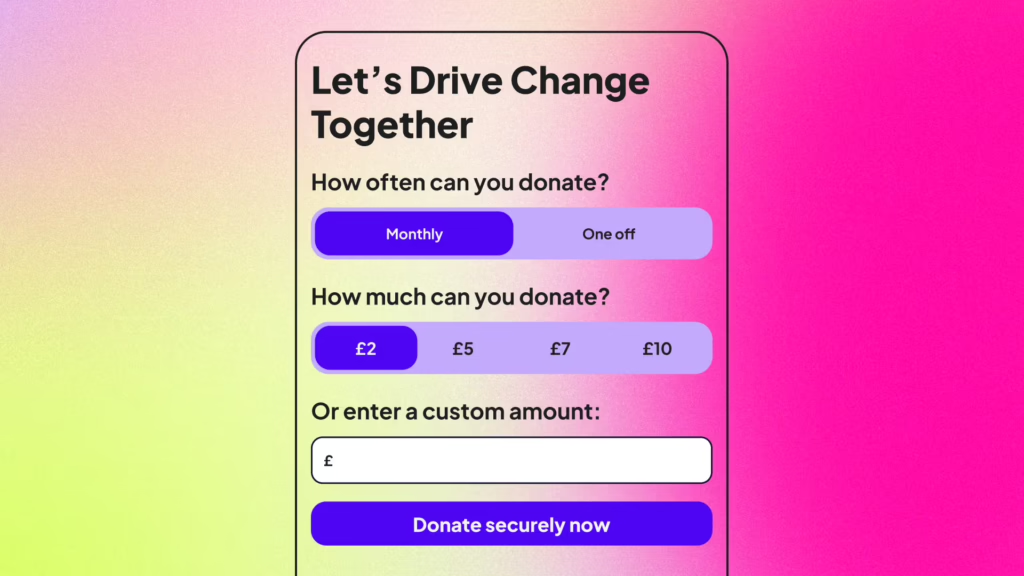
Gen Z engagement is often spontaneous and convenience-driven (42% act spontaneously (Blackbaud)). Charities must ensure that giving opportunities are seamless and integrated into their daily digital lives, whether through donating at checkout, at events, or via social media.
Digital platforms are the “third space” for Gen Z, where they socialise, express identity, and discover causes. As digital natives; they expect experiences to be instant, interactive, and personalised across multiple touchpoints.
For effective engagement, charities must adopt a mobile-first approach, ensuring websites are optimised for mobile users. They expect seamless navigation, fast load times, and an immersive user experience. They often want to be able to donate to a charity within whatever social media app they are using at the time of engaging with messaging (UK Fundraising).
Charities like Centrepoint are successfully addressing these needs by prioritising accessibility and user experience on their mobile site, offering straightforward tools like a ‘Quick Search’ bar. Integrating simple payment technologies such as mobile wallets and digital payment systems is essential to quickly convert goodwill into tangible support by removing friction and making giving as easy as interacting with social media posts, with alternative methods like QR codes for donations also proving increasingly popular among these younger generations.
Adjusting traditional engagement methods
Social media marketing, especially on platforms like TikTok and Instagram, needs to epitomise meeting young people where they are. To effectively engage younger generations, content should be visually rich, concise, and highly shareable, with a focus on demonstrable impact to drive both engagement and conversion. It is also important to remember that what performs on some platforms will not perform well on others, our Director of Digital Marketing, Phil Aiston, goes into this in more detail in his article Harnessing the Power of TikTok for Charities & Nonprofits: Tips for Effective Engagement.
manifesto recently carried out some research with a Gen Z focus group to understand why Gen Z are largely absent in traditional fundraising campaigns, and when asked about charity presences participants said:
“We need more charities to just engage with more young people by social media because that’s what young people use the most, and that’s what is what most likely to reach them” and
“I think it would be highly impactful if they sort of focus a lot more on sort of social media marketing and sort of posting content from inside the charity, so behind the scenes and updates and things like that.”
Short-form content platforms can be leveraged to use trends and create relatable, empathetic content, as demonstrated by charities like Mind in breaking down mental health stigma.
Additionally, long-term, humorous storytelling can successfully modernise a traditional brand for a younger audience, as the RSPB has done with “Bird of the Week”. However, it is crucial to balance participating in trends with maintaining brand identity, as forcing a trend can be perceived as “cringe”.
Another successful strategy is influencer collaboration, which is often more effective with relatable micro or nano-influencers than with major celebrities, as they tend to be more trusted by younger audiences (Maximus UK). This requires extensive user research to identify the content creators that your target giving audiences are most actively engaging with. And when working with these content creators it’s important to strike a balance between your brand and theirs – they know best what will work well with their audience and what will engage them, trust in that knowledge. The final area in which social media can successfully engage with Gen Z is by having personalised content, with 78% welcoming it if it adds more value (manifesto).
Successful innovation
“Gaming for good” is a growing fundraising avenue, particularly popular among those under 34, with approximately 15% donating this way (Bluestate).
Gamification, the application of game mechanics to non-gaming contexts, is a key strategy for increasing participation; for example, The Children of Heroes Charity Fund‘s gamified project, “Shelves of Kindness,” resulted in a 47% reduction in donor acquisition costs and a 2% increase in conversion rates in an A/B test (Fundraising World).
Similarly, livestream fundraising through platforms like Twitch and YouTube offers direct channels to current generations. This method has proven highly successful, as demonstrated by last year‘s Yogscast Jingle Jam, which raised a staggering £3,720,494 for various charities, including WWF and War Child, in just two weeks, and nearly £30,000,000 since 2011.

I have personally given to every Jingle Jam since 2015, and find that this is where I do most of my charitable giving. The British Red Cross has also successfully adopted this approach, building a strategy that recruited 6,000 gamers and streamers (Charity Digital). Tools like Tiltify can be used during these streams to encourage giving by adding incentives such as rewards (a large video game bundle in the case of the Jingle Jam), polls that community members vote on with their donations, and milestones.
This gamification can also be reflected in a want from younger generations to have their giving personalised and reflected with milestones and total lifetime giving, with 34% of them saying they would prefer such a metric (manifesto).
Atypical giving
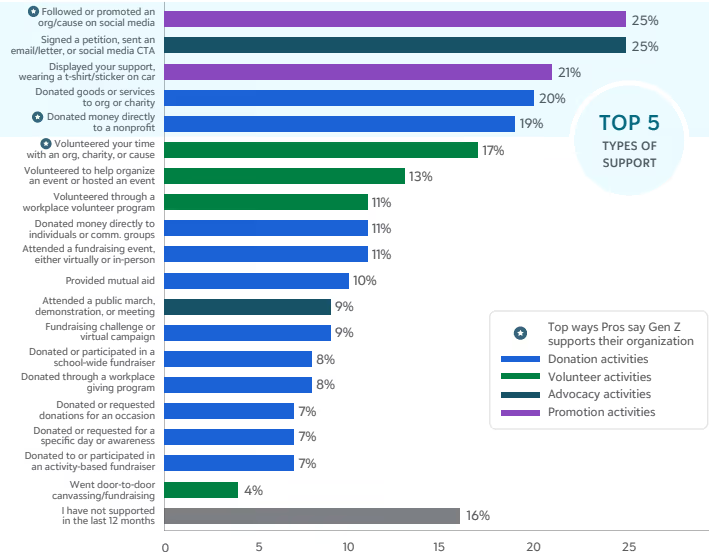
Younger generations view philanthropy holistically, valuing non-financial engagement like volunteering, advocacy, and having a genuine say in an organisation’s direction. Gen Z seeks opportunities to actively participate and contribute skills, not just money.
This is again reflected by our focus group, with participants stating:
“I think they’ve got to focus more, maybe on voluntary work and giving up your time.” and
“I think it’d be nice to see charities engage in other ways other than money. I feel like allowing young individuals who may not be, in hold of disposable income maybe inclined to help the charity in other ways, so be there and support them.”
To engage Gen Z, charities must recognise their need for flexibility by offering short-term, “ad hoc” micro-volunteering opportunities that fit their fluid lifestyles and bypass the barrier of rigid long-term shift patterns. Promoting the benefits of volunteering, such as boosting confidence and offering real-world experience, is also essential. Empowering young people through governance is a critical lever, as organisations like Youth Leads UK, Whizz-Kidz, and Groundwork have demonstrated by establishing Youth Advisory Boards (YABs). These boards provide leadership and ownership opportunities, ensuring strategies are “youth-led and youth-informed” and offer valuable insights on issues ranging from mental health to green careers.
Takeaways
The ways that emerging generations are interacting with charities signals a need to demonstrate the genuine impact delivered to beneficiaries. The challenge for charities in this new era is clear: success hinges on investing in clean data, integrated technology, and human relationships, all while ensuring radical transparency and fostering co-creation with the passionate, autonomous, and digital-savvy generations of the future. Retaining young people is a cyclical and ongoing process, you cannot rely on them to become regular givers unless you are constantly engaging them.
To help you lead this change in an impactful and resourceful way, we recommend exploring the manifesto charity white paper: Mind the Engagement Gap. It contains our latest 2026 research, tools, and frameworks designed specifically to help you bridge the generational divide and modernise your supporter journeys.
At manifesto we believe in transformation one step at a time, and are experts in audience understanding and engagement. We offer a pilot project that includes end-to-end experience design (from acquisition to retention), and have successfully engineered this to positively engage with Gen Z, and carry out AB testing to prove impact.
To organise a chat with one of our strategists please contact us at: hello@manifesto.co.uk