News & Resources
Explore Fundraising Articles & FAQs
Created by our team for yours.

June 8, 2026
How to expense your Membership to Fundraising Everywhere
Photo by Christin Hume on Unsplash Want to level up your fundraising game? We’ve got you covered! With Fundraising Everywhere Membership, you’ll unlock a world of insights and tools to help you thrive in your role, covering topics like: Individual Giving Corporate Fundraising Marketing…
September 4, 2026
Podcast: The Squiggly Career of Fundraising- building a fundraising career with purpose
In this episode of the Fundraising Everywhere podcast, host Simon Scriver sits down with Robin Peake, Deputy CEO of Wycliffe Bible Translators and author of the newly updated Complete Fundraising Handbook (8th edition, published by the Directory of Social Change), to talk about what it takes to build a resilient, confident, and effective fundraising career.
Robin shares the story behind writing the book — a nearly 400-page reference designed for fundraisers in the first five years of their careers, especially those working solo or in small teams. They dig into the “squiggly career” path many fundraisers find themselves on, why fundraising is hard (but not complicated), and how to build the confidence to push back when senior colleagues offer opinions that aren’t grounded in evidence.

August 28, 2026
The Psychology of Legacy Giving: Understanding Donor Motivations Through Behavioural Science
Legacy giving is a deeply personal decision, often shaped by an individual’s values, emotions, and life experiences. Unlike other forms of charitable giving, leaving a gift in a will requires long-term commitment and forward-thinking. By understanding the psychology behind legacy giving, charities, education institutions, and non-profits can tailor their messaging and engagement strategies to better connect with potential donors. Behavioural science provides valuable insights into why people choose to leave a legacy and how fundraisers can effectively guide them towards this decision.
August 28, 2026
Podcast: Banned, Blocked & Back: Your Meta Ads Questions Answered
Following our “Banned and Blocked” webinar on Meta advertising for digital fundraising, we’re diving deeper into the questions we didn’t have time to answer on the day. Simon Scriver sits down with Josh Leigh from Hynt to tackle the Meta challenges charities are facing right now – from realistic ad budgets and lead generation strategies to navigating Meta’s ever-changing restrictions on social issue content.

August 24, 2026
How Using Creative Voices In Your Appeals Can Transform Your Fundraising
If you’ve ever stared at the latest version of your appeal letter, riddled with soul-destroying “track changes” where every sentence sounds like it was written by a committee of people (or robots?) who have never met an actual donor, you are in good company. Truly. We’ve all seen the same letters: formal, predictable, safe … and boring AF.
I’ve spent my career trying to help organizations find unique voices to have more meaningful conversations with donors about their mission.
And the most effective voices (ie: help you raise more money) tend to be non-human. Don’t come at me.
I will give you four reasons you should consider trying this for an upcoming appeal.
August 21, 2026
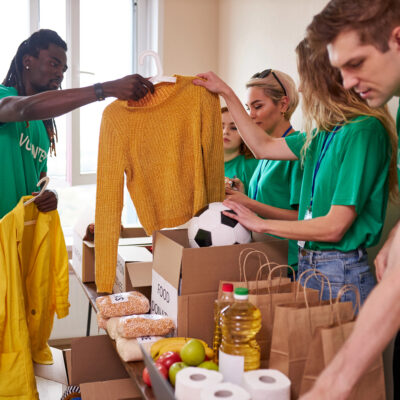
4 Tips for Sourcing High-Quality In-Kind Donations
Physical gifts are a fantastic asset for local charities. They lower your overhead, provide immediate resources for your programs, and give your supporters a tangible way to connect with your mission. They’re even essential for certain fundraising events, such as charity auctions.
However, sorting through a never-ending mountain of broken, dirty, or completely unusable items is exhausting. It quickly crowds your storage rooms and drains valuable volunteer hours that should be spent on your actual cause.
Sourcing high-quality in-kind donations does not mean turning away gifts from your community — it just requires clearer boundaries and strategies. This guide covers practical steps to upgrade the quality of your incoming goods while keeping your backend intake simple and organised.
August 17, 2026
Podcast: Ask The Expert – Corporate Partnership FAQs
In this rapid-fire Q&A episode of the Fundraising Everywhere podcast, host Simon Scriver puts corporate partnerships expert Andy King (Fireside Fundraising) on the spot with the most commonly asked questions from the Fundraising Everywhere community. Pulled from feedback and conference audiences, this episode covers everything fundraisers want to know about building and sustaining corporate partnerships.
August 7, 2026
Podcast: In Their Name: In-Memory Journeys
In March 2025, Mind launched a dedicated In Memory cash journey – our first tailored email stewardship programme for supporters giving in memory of a loved one. This session will share how the five part email journey was shaped by audience insight, the results from six months of performance data, and our plans for stewarding different in memory audience segments across channels.
Attendees will gain practical ideas for designing supporter journeys that resonate emotionally, interpreting data to refine approaches, and building multi-channel stewardship strategies that strengthen relationships and encourage repeat giving.

August 6, 2026
How to Know If Your Organisation Is Really Ready for a Major Fundraising Campaign
It is easy for a nonprofit to get excited about a bold vision like constructing a new building, expanding a ministry, growing a program or reducing debt. But there is a big difference between wanting to conduct a capital campaign and being ready for one.
A successful capital campaign does not begin with kickoff weekend. It begins with an honest readiness assessment. Your organisation should have mission clarity, leadership alignment, donor confidence, internal capacity and a compelling case for support.
July 30, 2026
Podcast: How Two Fundraisers Transformed Their Organisations with the Digital Learning Grant
In this episode of the Fundraising Everywhere Podcast, host Cam St.Omer Donaldson is joined by two graduates of the JustGiving Digital Learning Grant Programme — Kayleigh Wingate from Cambridge Cyrenians and Claire Caborn from Dove Cottage Day Hospice.
Both fundraisers work in small charities where wearing multiple hats is the norm, and both came into the DLG program with different goals — Kayleigh to build her fundraising foundations after a background in copywriting and marketing, and Claire to take her charity’s first steps into digital fundraising ahead of a landmark 30th anniversary Big Give Christmas Challenge.
July 27, 2026
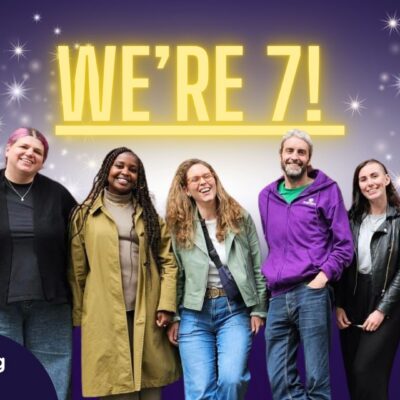
A Little Thank You For Our 7th Birthday
Seven years ago, we asked ourselves a simple question: how do we make learning and networking in the charity sector accessible to everyone, not just the people with the biggest budgets?
We were in the sector ourselves, and we saw it happen over and over. The same people getting the opportunities, and the same people missing out.
We knew what that felt like, because we’d been there too.
And so a whole 2555 days ago, Fundraising Everywhere was born.
July 24, 2026
Podcast: Soft Opt-In: Navigating ICO Guidance and the Fundraising Regulators Framework
In this episode of the Fundraising Everywhere podcast, host Cam St-Omer Donaldson is joined by Claire Stanley, Director of Policy and Communications at the Chartered Institute of Fundraising, to unpack not only what the new rules mean, but also where charities are still looking for greater clarity.
Together they explore the distinction between the ICO’s legal guidance and the Fundraising Regulator’s fundraising framework, discuss some of the grey areas charities are navigating, and explain how the Chartered Institute of Fundraising is working with regulators to represent the sector’s experiences and help shape future guidance.
July 21, 2026
Applications open for Fundraising Everywhere and JustGiving’s 2027 Digital Learning Grant
JustGiving has partnered with online learning community Fundraising Everywhere to launch the next round of its Digital Learning Grant. The initiative aims to help 250 charity professionals build the skills needed to thrive in an increasingly digital world.
Now entering its fourth year, the partnership has already supported 550 people across the charity sector, providing access to more than 2,000 hours of online learning.