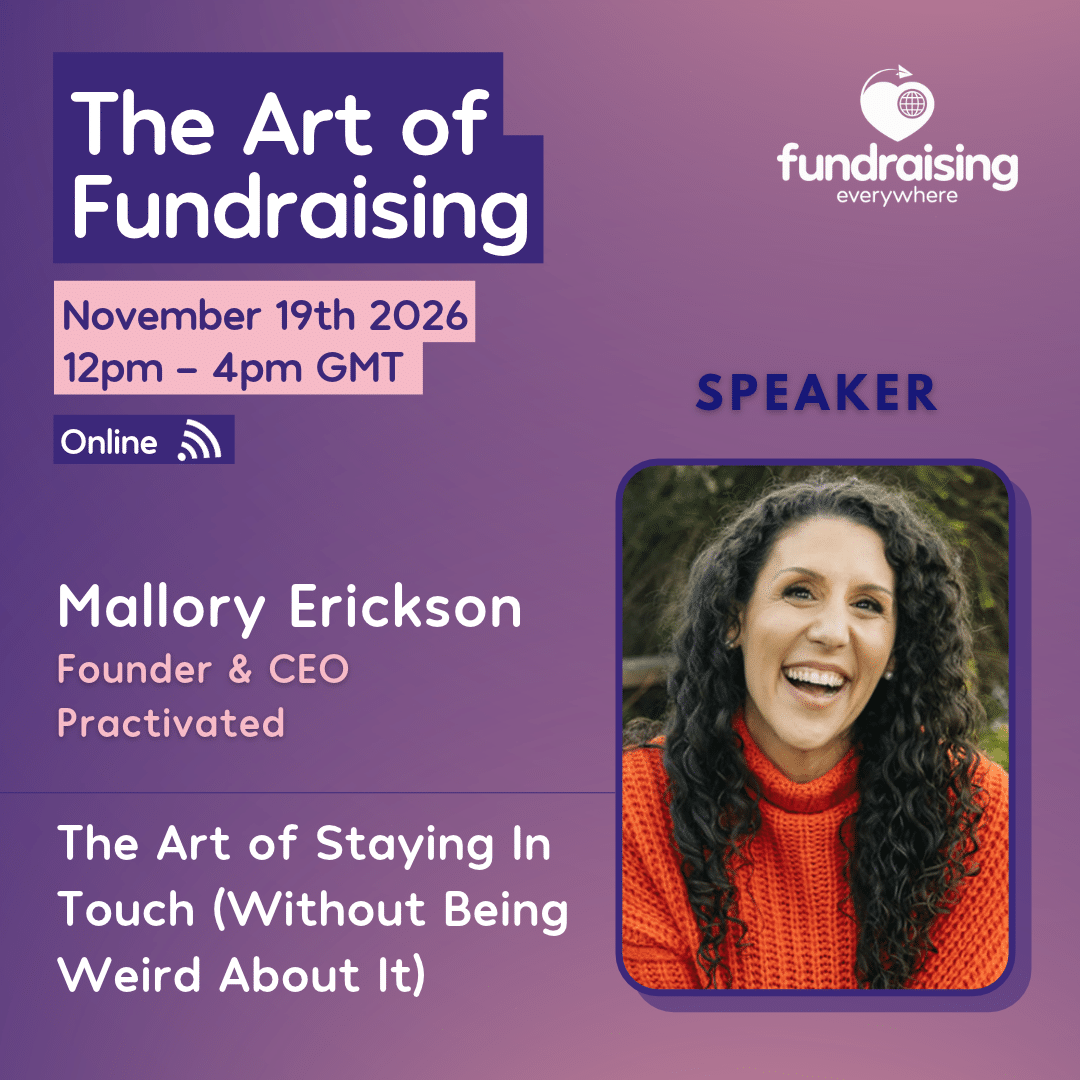
The art of staying in touch (without being weird about it)
Unlimited access from £25.00 / month
Become a member to gain unlimited access to our extensive content library, packed with valuable resources and insights on fundraising. Plus, stay ahead of the curve with free entry to all our upcoming events.
Details
Follow-up is what fundraisers say they struggle with most. When we surveyed 305 fundraisers about their biggest pain points, follow-up and stewardship came out number one, ahead of making the ask. And across 1,885 simulated donor conversations, stewardship conversations produced the highest trust scores of any conversation type and the weakest next steps. Maximum warmth, minimum movement.
Here is why that happens. Fear disguises itself as courtesy. “They just gave, I shouldn’t reach out again.” “They have already done so much.” What sounds like respect is usually a stress response, and it feels completely reasonable in the moment while it quietly pulls you away from the relationship.
Mallory Erickson will show you how to catch that pattern before it makes the decision for you, why naming the awkward part out loud builds more trust than a polished check-in, and which somatic tools actually get you to the send button when you are flat and cannot make yourself pick up the phone. Then she will make the case for practicing it, because reps are what turn any of this into how you show up.
Key learnings from this session:
- How to recognize when fear is dressed up as courtesy, and the acknowledge-and-validate move that interrupts the spiral before it decides your follow-up for you.
- Why operational transparency, including saying the uncomfortable part out loud, builds more trust than a perfectly worded check-in, plus the specific somatic tools that help you finish a stress cycle and actually reach out.
- Why staying in touch is a practice rather than a personality trait, and what changes when you rehearse the conversation somewhere safe instead of in the moment that matters most.
Speakers

Mallory Erickson
Founder & CEO
Related Talks
The Confidence Session: What It Really Takes to Back Yourself
You believe in your cause and inspire others to say yes, so why not yourself? Explore what’s holding you back and leave with one courageous action to start backing yourself.
How to get comfortable with the unknown: The uncertainty toolkit
Uncertainty isn’t going away, but you can get better at handling it: a fresh way to think about ambiguity, plus habits and techniques to hold steady when everything shifts.
Behavioural Science: Why People Give, Say Yes, and Stay Loyal
Why people give, say yes, and stay loyal: use behavioural science and a simple question framework to turn first-time donors into long-term supporters.
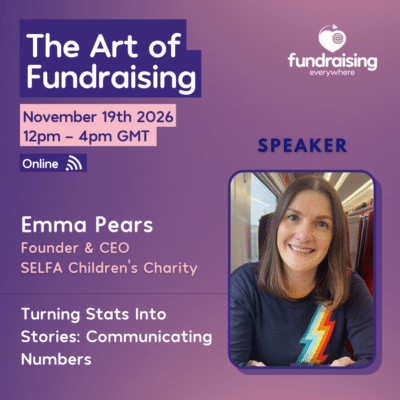
Turning stats into stories: communicating numbers
How SELFA blends evidence and lived experience to turn data into stories that win funders’ hearts and heads, while telling them with people, not just about them.