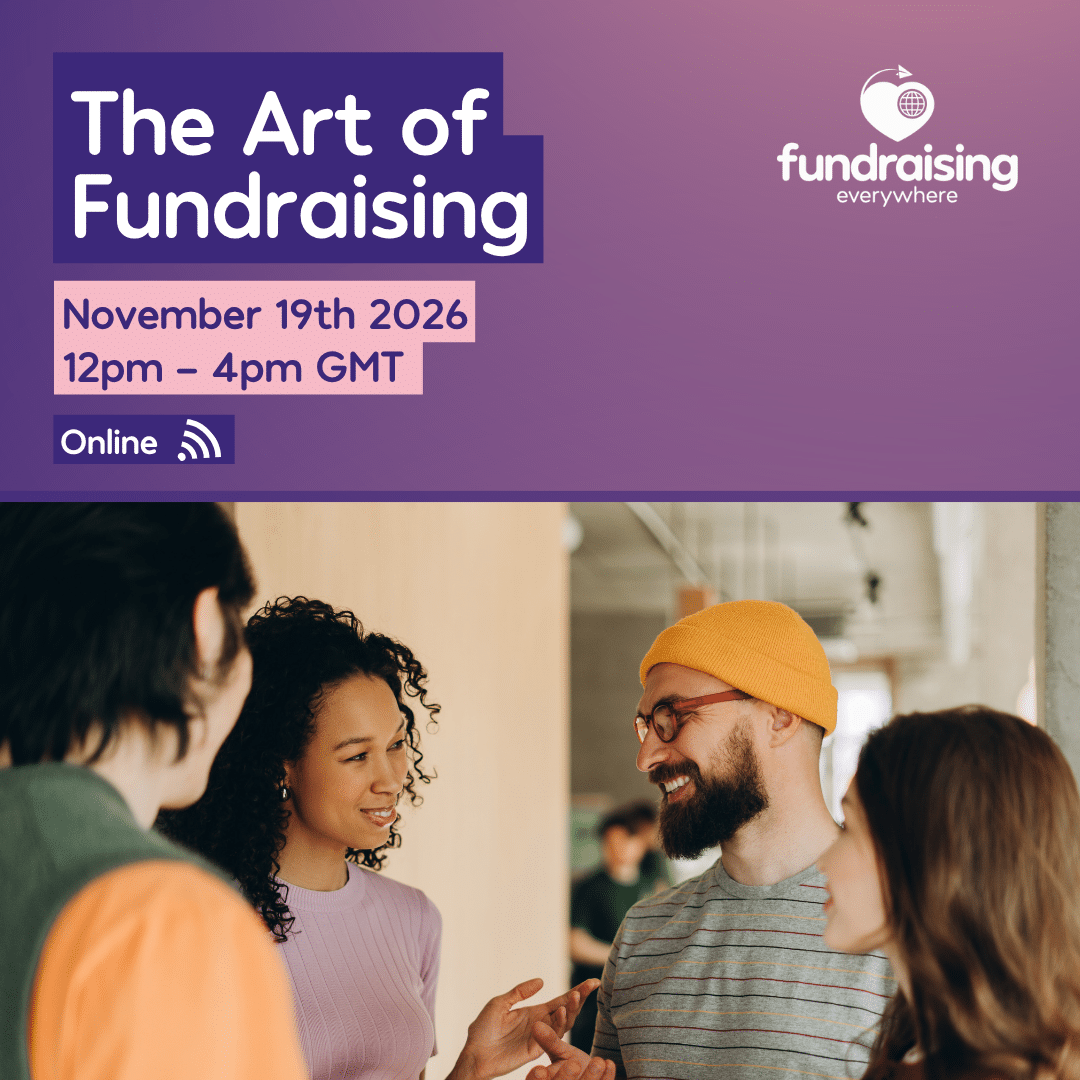
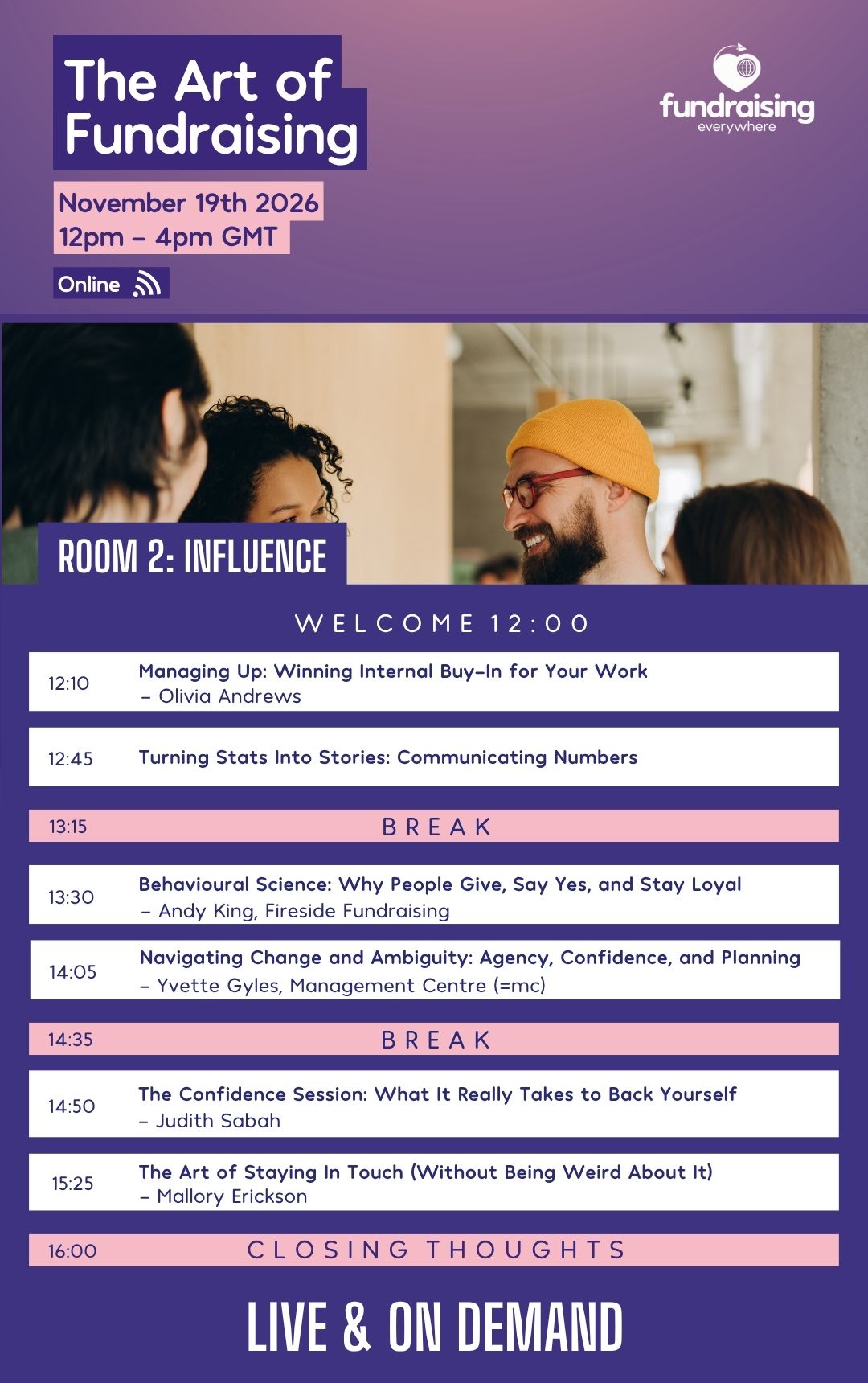
Thursday 19th November @ 12:00 GMT
The Art of Fundraising
4 hours to become the most confident and clear communicator. Learn how to ask, influence, and inspire from some of the charity sector's top experts!
Unlimited access from £25.00 / month
Become a member to gain unlimited access to our extensive content library, packed with valuable resources and insights on fundraising. Plus, stay ahead of the curve with free entry to all our upcoming events.
Details
The art of fundraising: the balance of compelling storytelling, building meaningful relationships, and crafting an undeniable case for support.
Nobody teaches you the hardest parts of fundraising: How to ask for money and mean it, how to tell a story that moves someone, how to handle the silence after a pitch; the rejection that stings, the colleague who just doesn’t understand why your work matters.
These are the skills that separate good fundraisers from exceptional ones – and they’re almost never readily available.
That’s what this conference is for.
Who is this for?
This is for fundraisers who want to get better at the human side of the job. Whether you’re making your first major gift ask or you’ve been in the sector for decades and still feel the nerves; whether you work in corporate partnerships, community fundraising, trusts, individual giving, or events – the skills we’re covering apply to all of it.
It’s for frontline fundraisers who want to build confidence in the ask. It’s for managers who want to bring their teams and give them something no training budget usually covers. And it’s for anyone who’s ever walked out of a donor meeting thinking: I could have done that better.
What will you learn?
Across the day you’ll hear from practitioners, fundraisers, and sector leaders on the topics that matter most right now:
- Making the ask with confidence – whatever the channel, whoever you’re asking
- Storytelling in conversation, not just on the page
- Handling rejection and building resilience that actually lasts
- Negotiation and the psychology of relationships
- Managing up and winning internal buy-in for your work
- The skills that separate good fundraisers from truly exceptional ones
Every session is built around real examples, practical tools, and honest conversation – not theory.
Why come?
Because the sector talks endlessly about strategy, data, and digital – and almost never about this. The relational, human, confidence-driven craft of fundraising. The stuff you only usually learn through years of trial, error, and the occasional cringe-worthy memory.
This is an afternoon to invest in yourself and your team. To sit in a room together (or log on remotely) with people who understand exactly what you’re up against, learn from people who’ve genuinely cracked it, and leave with tools you can use the following week.
The technical side of fundraising can be taught – the art of it is what we’re here for.
Want to partner with this event? Email nikki@fundraisingeverywhere.com for more information, or email hello@fundraisingeverywhere.com for general questions.
All of our events are hosted on the Fundraising Everywhere virtual events platform and are subtitled. The platform also provides other screen reader-compatible features and slides are provided in advance in our virtual delegate bag. Let us know if we can do anything else to improve your experience.
If you have any additional access needs, such as BSL interpretation or anything else that would help you take part, please let us know at least 7 weeks before the event. This helps us explore any additional support that may be possible.
What you'll learn
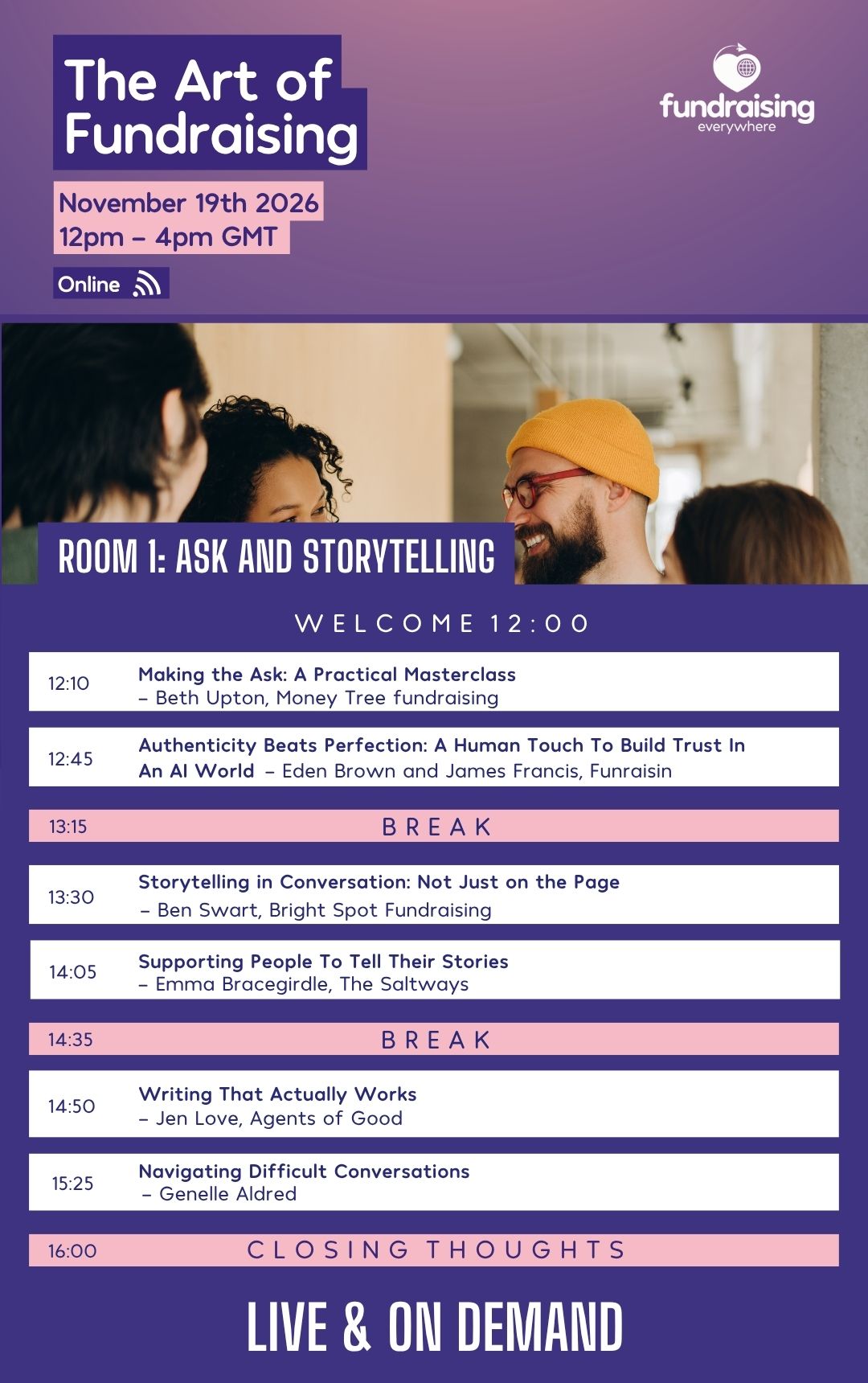
Making the Ask: A practical Masterclass
Speaker: Beth Upton, Money Tree Fundraising
One in four fundraisers says that asking someone face to face for a donation scares them. Add the ones who will not quite say it does not, and it is nearly half.
This session is about that moment, not the months of relationship building that get you to it. The thirty seconds in which you say a number out loud, or type it into a form, then wait to hear the answer.
We will cover the five conditions to check before you ask, the four elements of the ask itself, what to do once you have asked, and how to read the three replies you get. Three worked examples: a corporate ask, an individual ask and a trust application. The discipline is the same wherever the money comes from.
I have fundraised since 2002 and founded Money Tree Fundraising in 2010. We have worked with more than 130 charities since 2018. I teach asking as a full day on our Mastering Major Donor Fundraising series. This is the distillation of that into something you can take away and use at work the next day.
Key Learnings:
– The five conditions to check before you ask, and why nerves usually mean one of them is missing rather than that you lack confidence.
– The four elements of the ask itself, worked through a corporate ask, an individual ask and a trust application, plus the four ways fundraisers most often ruin a good one.
– What to do after you ask, and how to read the three replies you will get: yes, no, and let me think about it.
Authenticity Beats Perfection: A Human Touch to Build Trust in an AI World
Speaker: James Francis, Charity Development Lead, and Eden Brown, Funraisin
It seems that every year, we become more engulfed in the digital world than ever before. The rise of AI technology has created mistrust and deception, making people question whether what they see is actually true.
This applies to your charity and its fundraising activities too, with people becoming more detached from supporting noble causes and cheering on your fundraisers. So the question is: how do you maintain the human touch and stay connected to the people you want to reach?
James and Eden from Funraisin will explore how you can build campaigns that touch the core parts of the human experience: heart, head, and hands, so supporters become fully immersed and stay engaged well beyond the point of giving. Authenticity doesn’t end at the donation; showing real impact and stewarding that relationship with genuine, human follow-through is what turns a one-off gift into lasting trust.
We’ll help you ask the right questions when planning a campaign, know how to connect with your audience, make content flow organically, and provide a joyful user experience, from first touch through to impact reporting and stewardship.
Key Learnings:
– Learn how to connect with your audience
– Make content flow organically, and provide a joyful user experience
– Modernising Impact and Stewardship with authentic moments
Storytelling in Conversation: Not Just on the Page
Speaker: Ben Swart, Bright Spot Fundraising
“We measure fungal growth on trees — we don’t have stories.”
That was the belief of one environmental charity, right before a storytelling shift helped them secure an extra £1 million from major donors and trusts. Great stories aren’t just for frontline causes; they are often the single most reliable way to inspire generous giving. Yet for many of us it feels hard to find, keep, or use them in the day-to-day. We’ve found small choices make a big difference: What tiny tweak helped one fundraiser raise three times more? How did a slight shift in a five-minute speech lift gifts by 50%? When charities get just two minutes and 40 seconds on stage, why does one walk away with £120k and another with barely £3k?
Join this session to learn concrete, repeatable ways to find, shape, and tell stories that move donors to act — even when your work feels complex, dry, or hard to explain. Whether you’re the sole fundraiser in a tiny charity, or part of something bigger,
I promise to leave you with practical ideas you can use immediately.
Key Learnings:
– Three steps to help your stories stand out when it’s more competitive than ever.
– How they fit in a conversation, application, presentation.
– How to help you feel more comfortable using them.
Supporting People to Tell Their Stories
Speaker: Emma Bracegirdle. The Saltways
One of the biggest barriers charities face with fundraising content is finding people willing to share their experience. This session tackles that barrier with a practical, step-by-step approach you can put into action straight away.
We’ll start with how to identify the right people to approach based on your fundraising messaging, not just who happens to be available. From there, we’ll cover how to support someone through the process of being filmed or interviewed, so they feel safe, respected, and in control of their own story throughout. We’ll also look at what to do when no one feels able to take part, including using staff and volunteers as a Plan B, without it feeling like a compromise. Finally, we’ll cover how to get the most value from the content once you have it.
This session draws on years of trauma-informed, dignity-centred storytelling work with UK charities, built on real experience of what actually helps people feel comfortable in front of a camera, not just theory.
Key Learnings:
– How to identify and approach the right storytellers – how to find people whose experiences align with your fundraising messaging, rather than defaulting to whoever is easiest to reach.
– How to support someone through filming or interview – practical techniques for helping people feel safe, respected, and in control while sharing their story on camera.
– What to do when no one feels able to take part – how to use staff and volunteers as a genuine Plan B, plus how to get the most value from the content you end up with.
Writing That Actually Works
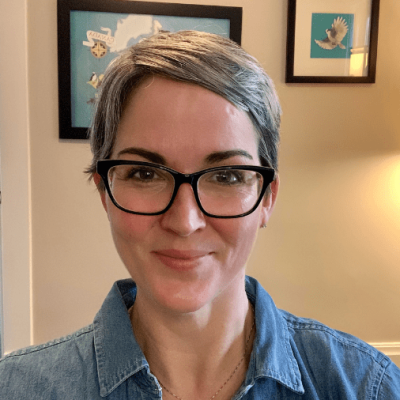
Speaker: Jen Love, Agents of Good
Sharing our stories connects us as human beings and creates belonging. Together, we’ll explore how you can harness authentic and empowering storytelling to raise more money and move your crucial mission forward. Inspiring and effective storytelling means cultivating a curious mindset, and conducting courageous conversations that honour and centre the lived experiences of beneficiaries, volunteers and donors.
You’ll learn how to gather and share impact and donor stories, while approaching sensitive subjects and vulnerable voices with empathy and integrity. We’ll talk about how you can feel more confident and connected to your organization by sharing stories that resonate with your values, and the values you share with your organization and your donors. And we’ll be relentlessly practical: you’ll leave with steps you can take tomorrow, real-world-effective-and stealable case studies, and other storytelling and writing tools you can use in donor communications like appeals and impact reports, grant writing, digital campaigns, legacy projects, newsletters or any other forms of giving!
Key Learnings:
– Where and how to find, write and share stories from around your organization. And we’ll share effective case studies!
– Tips, tools and techniques for centering your stories in values and emotions.
– Created, curated and well-tested conversation starters and interview questions that you can use right away to gather stories with more confidence and joy.
Navigating Difficult Conversations
Speaker: Genelle Aldred, Strategic Advisor to Senior Leaders
Conflict is inevitable wherever people, priorities and power intersect. For fundraisers and leaders, that can mean navigating difficult conversations with colleagues, senior stakeholders, donors, partners or people whose influence changes the dynamic in the room.
But conflict itself isn’t necessarily the problem. What matters is what happens when we find ourselves in it.
In this practical session, strategic communications advisor Genelle Aldred explores the different versions of ourselves that can emerge under pressure, how power dynamics shape difficult conversations, and why conflict avoidance can sometimes be just as damaging as escalation.
Rather than treating every disagreement as something to win, fear or resolve immediately, the session will help participants recognise what is actually happening in the moment: what belongs to them, what belongs to the other person, what problem needs solving, and what may simply need to be accepted.
The session will explore how to stay grounded when a conversation takes you sideways, de-escalate without becoming passive, challenge without unnecessarily escalating, and recognise when there may be no perfect resolution.
Key Learnings:
– Practical tools for responding when a negative comment, confrontation or unexpected conversation catches them off guard.
– A better understanding of their own responses to conflict and how those responses can change under pressure.
– Techniques for separating the emotional intensity of a difficult interaction from the underlying problem that needs to be addressed.
– Strategies for de-escalating conflict while remaining clear about boundaries, expectations and what needs to change.
– Greater confidence in recognising when healthy challenge is necessary and why avoiding a difficult conversation can sometimes create a bigger problem later.
– A framework for approaching situations where there is no neat or mutually satisfying resolution, without turning the disagreement into something existential.
Managing Up: Winning Internal Buy-In for Your Work
Speakers: Olivia Andrews WaterAid
Learn how to communicate the value of fundraising to people who don’t instinctively understand it. Includes getting a seat at the table, making the case for relationship fundraising, and navigating organisations where fundraising isn’t yet seen as everyone’s job.
Behavioural Science: Why People Give, Say Yes, and Stay Loyal
Speaker: Andy King, Fireside Fundraising
Fundraising advice often focuses on what to ask for, but behavioural science helps us understand why people give in the first place… and, just as importantly, why they keep giving. In this session, we’ll explore the psychology behind charitable giving, drawing on behavioural science to uncover the factors that influence initial giving and long-term loyalty.
We’ll look at how motivations differ between first-time and repeat supporters, consider both individual and organisational contexts, and examine the practical changes charities can make to improve their fundraising.
You’ll leave with a simple framework of questions to test your own fundraising approaches, helping you build stronger relationships and create supporter experiences that encourage people not only to say yes today, but to keep saying yes for a long time to come.
Key Learnings:
– The key drivers that encourage people to give for the first time
– What keeps supporters giving, and how this differs from initial motivation
– Practical questions to help apply behavioural science to your own fundraising
How to get comfortable with the unknown: The uncertainty toolkit
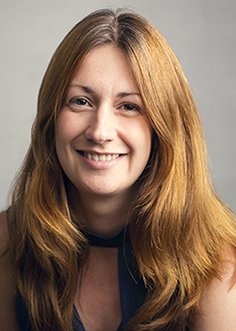
Speakers: Yvette Gyles & Laura Slater, Management Centre (=mc)
If it feels like the ground keeps shifting beneath fundraising teams right now, you’re not imagining it. Funding models, sector demand, and the tools we use to do our jobs are all changing so fast, we barely have time to learn one thing before another pivot becomes necessary. This can be unsettling and draining. . The good news is that holding steady through that shifting ground is a skill, not a mystery, and it’s one you can build.In this session, we’ll introduce a different way of thinking about how to handle prolonged uncertainty. We’ll be reframing navigating ambiguity as something you don’t need to push through until it passes, but as a career-long skill worth developing. A skill where getting more comfortable with uncertainty is the aim rather than waiting for it to resolve. We’ll share ideas and approaches that support personal agency and choices when things stay unsettled and point you toward habits you can build and hone over time.
The session draws on =mc Learning’s Navigating Change with Confidence and Success at Work programmes, along with our wider consulting experience supporting charities through periods of sustained pressure and change.
You’ll leave with a realistic view of what holding steady through ongoing uncertainty actually involves, along with a few starting points to try out in your own work.
Key Learnings:
– Explore why we find ambiguity uncomfortable
– Identify techniques to make good choices when everything seems unsettled
– Set strategies to build and hone personal skills over time
Turning Stats into Stories: Communicating Numbers
Speaker: TBA
A practical look at how to turn data and statistics into a compelling narrative for donors, trustees and senior leaders. Covers picking the right numbers, framing them clearly, and using them to strengthen rather than clutter your case for support.
Negotiation Skills for Fundraisers
Speaker: TBA
Gift amounts, partnership terms, internal resource, timing of asks: fundraising is full of negotiation. Covers practical techniques for getting to yes without damaging the relationship, from someone who has done it in a fundraising context.
The Confidence Session: What It Really Takes to Back Yourself
Speaker: Judith Sabah
As fundraisers, you spend so much time believing in your causes and encouraging others to say yes. But when it comes to believing in yourselves, many of you can hold yourselves back.
I’m Judith Sabah, a certified Confidence and Mindset Coach, Speaker and Facilitator, with certifications in Neuro-Linguistic Programming (NLP) and Breakthrough Coaching. I work with individuals, teams and organisations to help people reconnect with their confidence, strengthen their mindset and self-belief and step into their potential with clarity, confidence and purpose.
This session is an opportunity to pause, reflect and explore where you’re not currently backing yourself and what it might take to start. Through a series of coaching conversations and practical reflections, you’ll explore the beliefs that may be holding you back.
You’ll leave with a fresh perspective, greater clarity and one courageous action you can take to start backing yourself.
Key Learnings:
– Explore what may be stopping you from backing yourself
– Recognise the role confidence and self-belief play in your decisions
– Leave with one meaningful action you can take to back themselves with greater confidence
Asking Across Contexts: Major Gifts, Corporates, Trusts and Beyond
Speaker: TBA
A panel of practitioners from different income streams on how the ask looks and feels different depending on who you’re asking and what for. Covers calibrating your approach, adapting your language, and learning from other disciplines.
The art of staying in touch (without being weird about it)
Speaker: Mallory Erickson, Founder & CEO, Practivated
Follow-up is what fundraisers say they struggle with most. When we surveyed 305 fundraisers about their biggest pain points, follow-up and stewardship came out number one, ahead of making the ask. And across 1,885 simulated donor conversations, stewardship conversations produced the highest trust scores of any conversation type and the weakest next steps. Maximum warmth, minimum movement.
Here is why that happens. Fear disguises itself as courtesy. “They just gave, I shouldn’t reach out again.” “They have already done so much.” What sounds like respect is usually a stress response, and it feels completely reasonable in the moment while it quietly pulls you away from the relationship.
Mallory Erickson will show you how to catch that pattern before it makes the decision for you, why naming the awkward part out loud builds more trust than a polished check-in, and which somatic tools actually get you to the send button when you are flat and cannot make yourself pick up the phone. Then she will make the case for practicing it, because reps are what turn any of this into how you show up.
Key Learnings:
– How to recognize when fear is dressed up as courtesy, and the acknowledge-and-validate move that interrupts the spiral before it decides your follow-up for you
– Why operational transparency, including saying the uncomfortable part out loud, builds more trust than a perfectly worded check-in, plus the specific somatic tools that help you finish a stress cycle and actually reach out
– Why staying in touch is a practice rather than a personality trait, and what changes when you rehearse the conversation somewhere safe instead of in the moment that matters most
Speakers

Ben Swart
Director of Training & Consultancy

Emma Bracegirdle
Founder
Jen Love
Partner

Olivia Andrews
Trust Manager

Andy King
Director

Judith Sabah
Confidence & Mindset Coach

Beth Upton
CEO

Genelle Aldred
Leadership and Strategic Comms Advisor

James Francis
Charity Development Lead

Eden Brown
Customer Success Manager

Mallory Erickson
Founder & CEO

Yvette Gyles
Director
Laura Slater
Director
Event Sponsors